
Depreciation is the allocation of the cost of a long-term asset over its useful life. For example, if a company purchases equipment for $12,000 with a useful life of 12 years, each year, depreciation needs to be recorded. Adjusting entries allow for better tracking of accounts receivable and payable. This gives a clearer picture of when money is expected to flow in or out, helping you manage financial stream more effectively. To understand how to make adjusting entries, let’s first review some useful accounting terms that relate directly to this topic. All adjusting entries include at least a nominal account and a real account.

Introduction to Financial Accounting
Many experts list only four types of adjusting entries while others list five, six, or seven. These categories can include prepaid expenses, depreciation, accrued expenses, accrued income, unearned income, bad debts, and other allowances. The main purpose of adjusting entries is to update the accounts to conform with the accrual concept. At the end of the accounting period, some income and expenses may have not been recorded or updated; hence, there is a need to adjust the account balances.

Accruals: When the Work is Done but the Cash is Shy
- It is recorded as a liability (unearned revenue account) and then adjusted when the service or delivery is completed, where it is transferred to actual revenue.
- Adjusting entries are crucial for correcting inaccuracies, accounting for unrecorded transactions, and ensuring that all income and expenses are accurately reflected in the appropriate accounting period.
- If the month-end close process feels like a mountain of tedious admin, you’re not alone.
- In the accrual system, this unearned income is seen as a liability and should be credited.
Outsourcing bookkeeping tasks to an experienced team like Bob’s Bookkeepers helps keep a business’s books and records in order, while giving the team more time to focus on what they do best. Contact us today to learn more about our outsourced bookkeeping services. Adjusting journal entries are used in the accrual-based accounting system to modify accounting records at the end of the period to reflect the actual timing of transactions.

and Reporting
Although this trial balance verifies the mathematical equality of debits and credits, it does not guarantee that all revenues and expenses have been properly recognized. Adjusting entries are therefore required to update these balances so they comply with the accrual basis of accounting. https://5d.darzamakan.com/?p=3873 After determining the correct amounts, the adjusting journal entries are recorded in the accounting system.
Corporate Bookkeeping: Essential Steps for a Clean Monthly Close
Adjusting entries refers to a set of journal entries recorded at the end of the accounting period to have an updated and accurate balances of all the accounts. Adjusting entries are mere application of the accrual basis of accounting. Deferred expenses, also known as prepaid expenses, arise when payments are made in advance for goods or services to be received in future periods. For instance, rent paid one year in advance is initially recorded as an asset and then systematically expensed over the period to which it relates. Prepaid insurance premiums and rent are two common examples of deferred expenses.
Ensure Financial Statements Accuracy
- The most common example of payables is wage payables to employees, interest expense payable to banks, or payables to suppliers of raw materials.
- Taking an adjusting entries example of a company named ABC Corporation, which availed of long-term debt funding to implement its expansion plan.
- It depicts the gradual wear and tear or obsolescence on the income statement as an expense, thereby reducing taxable income and showing a more realistic asset value.
- Adjusting entries are changes to journal entries you’ve already recorded.
- We don’t guarantee that our suggestions will work best for each individual or business, so consider your unique needs when choosing products and services.
- Like the above examples, there are many situations in which expenses may have been incurred but not yet recorded in the journals.
Adjusting entries rectifies these discrepancies, ensuring the Foreign Currency Translation proper recording of revenue for the relevant time period. Adjusting entries are made at the end of an accounting period post-trial balance, to record unrecognized transactions, and rectify initial recording errors. They align real-time entries with accrual accounting, and involve adjustments such as accrued expenses, revenues, provisions, and deferred revenues. Preparing adjusting entries is a pivotal step to ensure the accuracy of financial statements and reflect the reality of revenues and expenses in the correct periods.
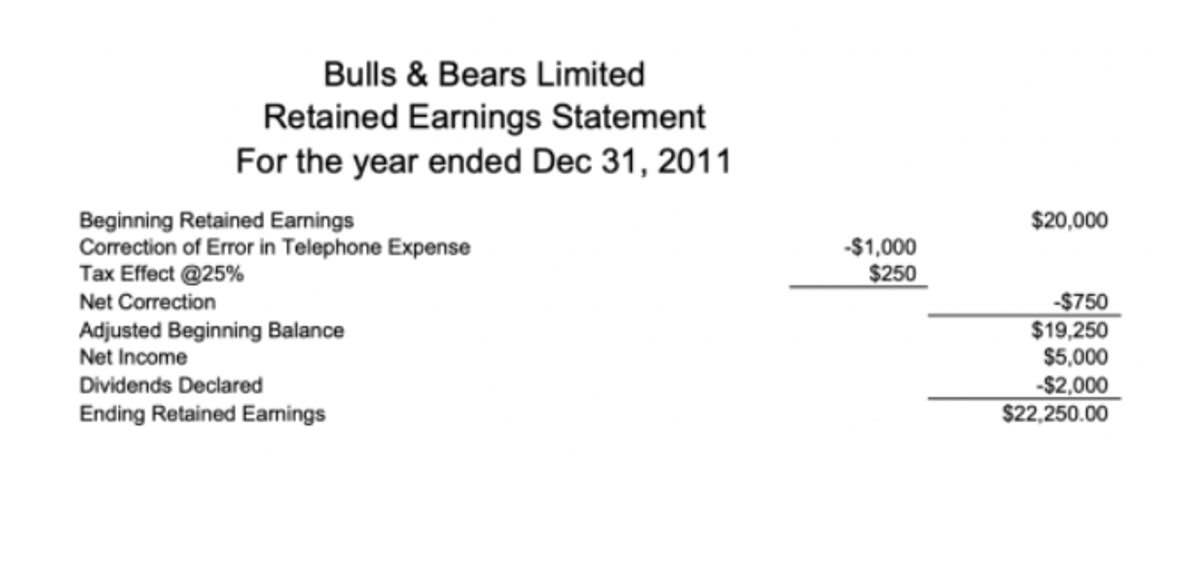
Discovery and Correction of Errors
This principle dictates that caution should be exercised when recording revenues, avoiding overstatement. At the same time, expenses and losses should be recognized as soon as there is a probability of their occurrence. This principle helps safeguard the company’s financial position and enhances transparency by recording expenses and accruals even if they adjusting entries examples are anticipated or potential, not just certain. Consider a marketing agency that consistently receives a large utility bill after month-end.
Use matching when:
Adjusting entries are essential modifications made to the accounting records at the end of an accounting period. These entries are required to ensure that all income and expenses are recorded in the correct period, accurately reflecting the business’s financial position. Most adjusted journal entries are made following the preparation of the unadjusted trial balance and precede the creation of the adjusted trial balance. Adjusting journal entries may occasionally stem from findings during account reconciliations, such as the comparison of GL cash account activity with bank statements. The adjustment process commences with a thorough examination of the trial balance to pinpoint accounts in need of corrections. This entails identifying any discrepancies between actual cash transactions and the revenue or expenses that should be recognized for the specified period.
What’s the biggest failure mode with matching?
Book a 30-minute call to see how our intelligent software can give you more insights and control over your data and reporting. These capabilities prove invaluable during audits, tax preparation, or regulatory reviews when questions arise about specific adjustments. — Paul’s employee works half a pay period, so Paul accrues $500 of wages.
Depreciation expense for equipment
You have established payment terms of Net 60 Days with that client, meaning they won’t pay you until May. Accruals are used for transactions that have occurred but where cash hasn’t yet changed hands. For example, if you are paying an insurance premium of 65,000 Rs on 1st October and insurance covers for a period of 12 months from 1st October,2018 to 30th September,2019. At the end of the year, the accumulated depreciation totals $3,000, reflecting the loss in value of the vehicle. Deferred revenue is common in subscription models or when stores sell gift cards.